Unlock the world of Roblox on your Linux operating system with our comprehensive guide for 2024. Many gamers wonder if playing Roblox on Linux is even possible, given its official Windows and macOS support. This article dives deep into various proven methods like Wine, Grapejuice, and Lutris, offering step-by-step instructions to get you gaming. Discover why these tools are essential, how they function, and what troubleshooting tips can help you overcome common hurdles. We cover everything from initial setup to optimizing performance, ensuring a smooth and enjoyable experience for all Linux users. Whether you are a seasoned Linux veteran or new to the platform, our detailed explanations will make installing Roblox accessible and straightforward. Explore the thriving community solutions that bridge the gap, allowing you to join millions of players in your favorite Roblox experiences. Learn about the nuances of each installation method, understanding their pros and cons for a truly informed choice. This trending information equips you with the knowledge to bring Roblox to your preferred open-source environment, making your gaming dreams a reality.
Welcome to the ultimate living FAQ for playing Roblox on Linux, meticulously updated for the latest patches and community solutions! As an avid gamer and Linux enthusiast, I know the struggle is real when your favorite platform doesn't officially support your OS. But fear not! This guide is packed with insights, tips, and tricks to help you navigate the nuances of getting Roblox up and running. We'll cover everything from beginner questions to advanced troubleshooting, ensuring you have the smoothest experience possible. Think of this as your go-to resource, built from the collective wisdom of the Linux gaming community. Let's get you playing!
Beginner Questions
Is it possible to play Roblox on Linux in 2024?
Yes, absolutely! While Roblox doesn't offer official Linux support, the dedicated Linux gaming community has developed robust methods. Tools like Wine, Grapejuice, and Lutris act as compatibility layers, allowing you to run the Windows version of Roblox seamlessly. It requires a bit of setup, but it's definitely achievable for most users.
What is the easiest way to install Roblox on Linux for beginners?
For beginners, Grapejuice is hands-down the easiest method. It's an open-source tool specifically designed to simplify the installation and management of Roblox on Linux. Grapejuice automates most of the complex Wine configurations and dependency installations, making the process much more user-friendly than manual Wine setups.
Do I need to pay for any software to run Roblox on Linux?
No, you don't need to pay. All the essential tools required, such as Wine, Grapejuice, and Lutris, are open-source and completely free. Your Linux distribution itself is also free. While you might consider donating to these amazing community projects, playing Roblox on Linux won't cost you anything extra besides your internet and device.
Multiplayer Issues
Why is my game freezing or lagging severely in multiplayer Roblox games?
Multiplayer performance issues in Roblox on Linux can stem from a few places. First, check your internet connection stability and ping. If that's good, then it could be related to your Wine configuration, outdated graphics drivers, or insufficient system resources. Ensure DXVK is enabled and your Wine version is optimized. Closing background applications can also help. Sometimes, it's just the specific Roblox game being unoptimized.
Bugs & Fixes
Roblox isn't launching after a recent update. What's wrong?
Roblox updates frequently, and sometimes these updates temporarily break compatibility with Wine or Grapejuice/Lutris. This is a common issue. The best fix is to check community forums (like r/robloxonlinux) or the official Grapejuice/Lutris GitHub pages. Developers usually release quick patches to address these compatibility breaks. Updating your Grapejuice or Lutris installation often resolves the problem promptly.
I'm seeing graphical glitches or weird textures in Roblox. How can I fix this?
Graphical glitches are typically related to graphics drivers or DXVK. First, ensure your proprietary GPU drivers (NVIDIA/AMD) are fully updated. Second, confirm that DXVK is correctly installed and enabled in your Wine prefix (Grapejuice and Lutris usually handle this). Experimenting with different Wine versions, particularly custom builds like Wine-GE, can sometimes resolve specific rendering issues due to unique patches they offer.
Tips & Tricks
How can I improve Roblox performance on my Linux machine?
To boost Roblox performance, start by updating your graphics drivers to the latest proprietary versions. Ensure DXVK is installed and active to translate DirectX calls to Vulkan efficiently. Consider using a custom Wine build like Wine-GE for gaming-specific optimizations. Enabling Esync or Fsync in your Wine configuration can also reduce CPU overhead, leading to smoother gameplay and higher framerates.
Can I run Roblox Studio on Linux as well?
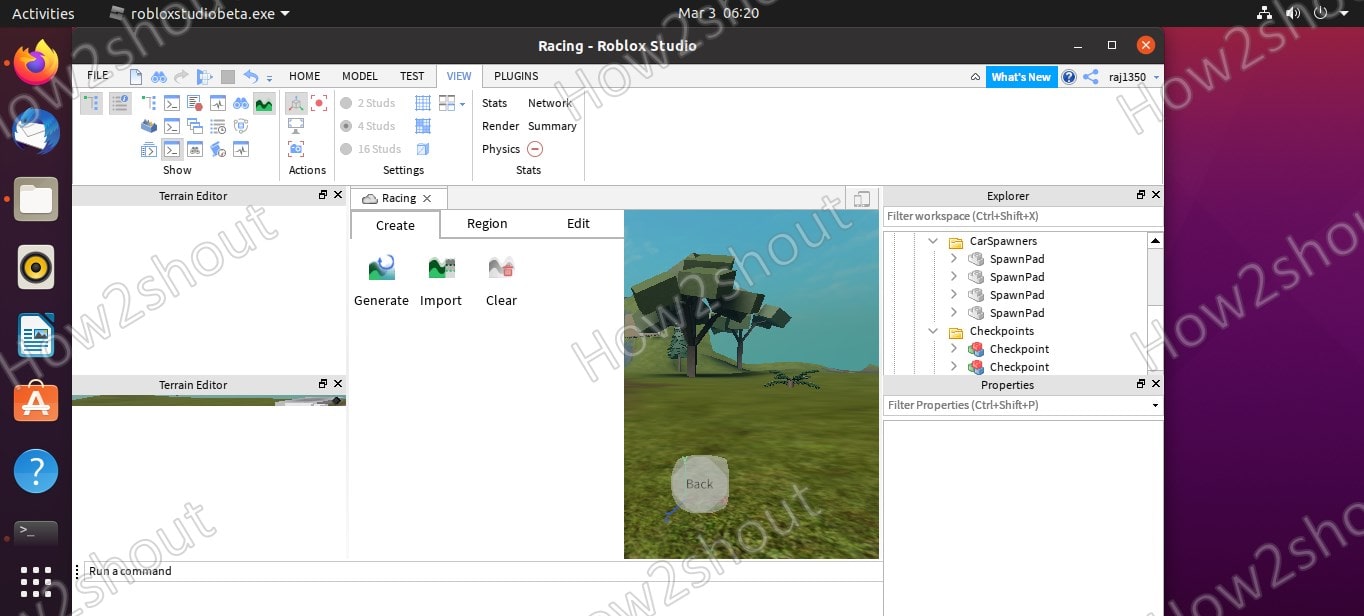
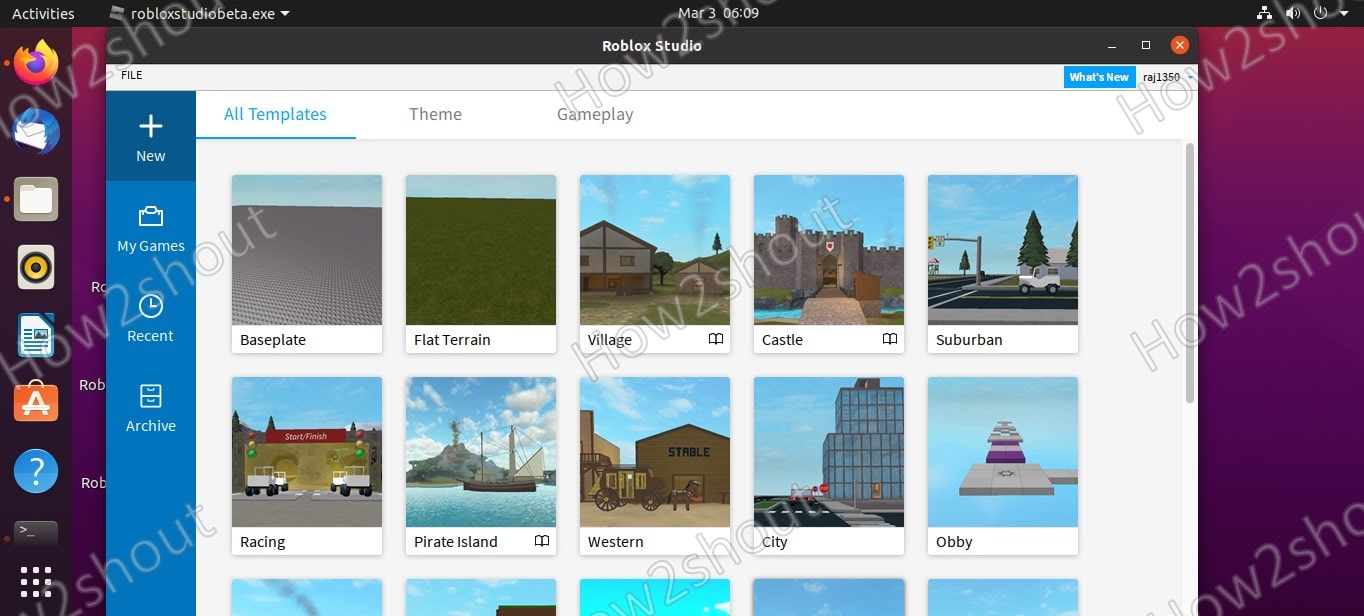
Yes, you absolutely can run Roblox Studio on Linux using the same methods as the player! Grapejuice and Lutris often provide streamlined options for installing Studio. Alternatively, you can use a manual Wine setup and run the Roblox Studio installer within its dedicated Wine prefix. This opens up a world of development possibilities for Linux users, allowing you to create your own experiences.
Most Asked Questions about How to Download Roblox on Linux
Is Roblox officially supported on Linux?
Unfortunately, no. Roblox does not officially provide a native client for Linux. This means you won't find a direct installer on their website for Linux distributions. However, the vibrant open-source community has developed effective workarounds using compatibility layers to bridge this gap, allowing Linux users to enjoy Roblox.
What is Wine, and why is it essential for Roblox on Linux?
Wine (Wine Is Not an Emulator) is a crucial compatibility layer that allows Windows applications to run on Linux. Roblox is a Windows-native application, and Wine translates its Windows API calls into commands that your Linux operating system can understand and execute. Without Wine or similar compatibility tools, Roblox wouldn't be able to function on Linux.
How does Grapejuice make Roblox installation easier on Linux?
Grapejuice is an open-source wrapper specifically designed for Roblox on Linux. It significantly simplifies the process by automating the complex setup of Wine prefixes, installing necessary dependencies like DXVK, and ensuring the correct Wine version is used. This makes it a highly recommended, user-friendly option, especially for those new to Linux gaming.
Can I use Lutris to install and manage Roblox on Linux?
Yes, Lutris is an excellent choice for installing and managing Roblox. As a powerful open-source game manager, Lutris provides pre-configured installation scripts for many Windows games, including Roblox. It streamlines the process, helps manage different Wine versions, and offers a centralized interface for all your games, simplifying troubleshooting and updates.
What are the common performance issues with Roblox on Linux?
Common performance issues include low frame rates, graphical glitches, or occasional crashes. These are often linked to outdated or incorrect graphics drivers, sub-optimal Wine configurations, or missing Windows runtime libraries. Ensuring DXVK is active, using updated Wine versions (like Wine-GE), and keeping your system drivers current are key to improving performance.
Will using these methods get my Roblox account banned?
No, using legitimate compatibility layers like Wine, Grapejuice, or Lutris to run the official Roblox client on Linux is generally safe and will not lead to an account ban. You are not modifying the game or exploiting its mechanics; you are simply launching the official software on an unsupported operating system. Roblox primarily targets those who violate terms of service through cheating or malicious activities.
How do I update Roblox after installing it on Linux?
When you've installed Roblox via Grapejuice or Lutris, these tools usually handle updates automatically. They're designed to recognize new Roblox versions and manage the update process within their Wine prefixes. For manual Wine installations, launching Roblox through the client often prompts an automatic update, or you might need to re-run the `RobloxPlayerInstaller.exe` in your existing prefix.
Still have questions? Dive deeper into the community forums or check out our related guides on optimizing Linux gaming performance or advanced Wine configurations for more specific insights!
Hey there, fellow gamers! Ever found yourself wondering, Can you even play Roblox on Linux? It's a common question, and honestly, for a long time, it felt like a bit of a mystery, right? Roblox, with its sprawling universe of user-created games, officially supports Windows, macOS, and mobile platforms. That leaves us Linux folks feeling a little left out in the cold. But don't you worry, because the awesome Linux gaming community always finds a way. We're talking about clever workarounds that let you dive into Bloxburg, Adopt Me!, and countless other experiences on your favorite open-source operating system. It might not be as straightforward as clicking an installer, but with a little guidance, you'll be building and battling in no time.
Why is Wine crucial for Roblox on Linux? It's really the unsung hero here. Wine, which stands for "Wine Is Not an Emulator," is a compatibility layer that acts as a bridge. It translates Windows API calls that Roblox uses into commands Linux understands. This allows the game to run even without native Linux support, making it the foundational tool for many users.
How does Lutris simplify the Roblox installation process? Lutris is a fantastic game manager that comes to the rescue. It provides pre-configured scripts and a user-friendly interface to manage Wine prefixes and game installations, streamlining what could otherwise be a complex manual setup. It's where many Linux gamers turn for a smoother experience, taking a lot of the headache out of the process.
When did Proton become a game-changer for Linux gaming, especially for Roblox? Proton, developed by Valve for the Steam Deck, significantly improved Windows game compatibility on Linux. It leverages Wine and other tools to make playing Windows games much easier. While not directly for desktop Roblox, its underlying tech influences community solutions and has paved the way for better compatibility overall.
What influences Roblox Linux performance and how can it be optimized? Performance often hinges on your system specifications, the specific Wine version, and graphical driver support. Users often tweak Wine settings and use up-to-date drivers to ensure a smooth framerate. Keeping your system updated and experimenting with different Wine versions can make a huge difference.
Who benefits most from using the Grapejuice installer for Roblox on Linux? Grapejuice is a dedicated, open-source wrapper specifically designed to make installing and managing Roblox on Linux easier for users. It automates much of the Wine configuration, making it a go-to for many in the community, especially those who prefer a more streamlined, less technical approach.
Setting Up Your Linux System for Roblox Gaming
Before we even think about installing Roblox, we need to make sure your Linux system is ready for the task. Think of it like prepping your gaming rig before a big LAN party. You want everything running smoothly, right? First off, ensure your graphics drivers are up to date. This is absolutely critical for gaming performance on any platform, and Linux is no exception. Proprietary NVIDIA or AMD drivers generally offer better performance than open-source alternatives for gaming. If you're unsure how to update them, a quick search for "update NVIDIA drivers Ubuntu" or "install AMD drivers Fedora" usually yields excellent distribution-specific guides.
Next, we'll need to enable 32-bit architecture support. Roblox is a 32-bit application, and even on a 64-bit Linux system, you'll need the necessary libraries to run it. This is a fairly common step for many Windows games running through Wine. On Ubuntu or Debian-based systems, you'd typically use commands like sudo dpkg --add-architecture i386 followed by sudo apt update. For Fedora, it's usually sudo dnf install wine.i686. Don't skip this; it's a common stumbling block if not addressed early!
Finally, we'll need to install Wine itself. Wine is the compatibility layer that allows Windows applications to run on Linux. It's the backbone of our Roblox adventure. We recommend using the latest stable version of Wine. Most distributions have Wine in their official repositories, but sometimes the version can be a bit old. For the best experience, consider adding Wine's official repository to get the most up-to-date version. This typically involves a few commands to add a GPG key and the repository, then installing Wine and Wine-mono. Wine-mono is often needed by applications that rely on Microsoft's .NET framework, which includes some aspects of Roblox.
The Main Methods: Wine, Grapejuice, and Lutris
Alright, with our system prepped, let's dive into the actual methods for getting Roblox up and running. Each method has its pros and cons, and what works best for you might depend on your comfort level with Linux and your specific distribution. We'll explore the most popular options, giving you a clear path forward.
Method 1: Manual Wine Installation
This is the most direct approach, giving you full control over the Wine environment. It can be a bit more hands-on, but it's great for understanding what's happening under the hood.
First, you'll need to create a dedicated Wine prefix for Roblox. This helps keep your Roblox installation separate from other Wine applications, preventing potential conflicts. You can do this by setting the WINEPREFIX environment variable before running Wine. For example, WINEPREFIX=~/.wine-roblox winecfg will create a new Wine prefix in your home directory and open the Wine configuration window. In this window, set the Windows version to Windows 7 or Windows 10 for better compatibility.
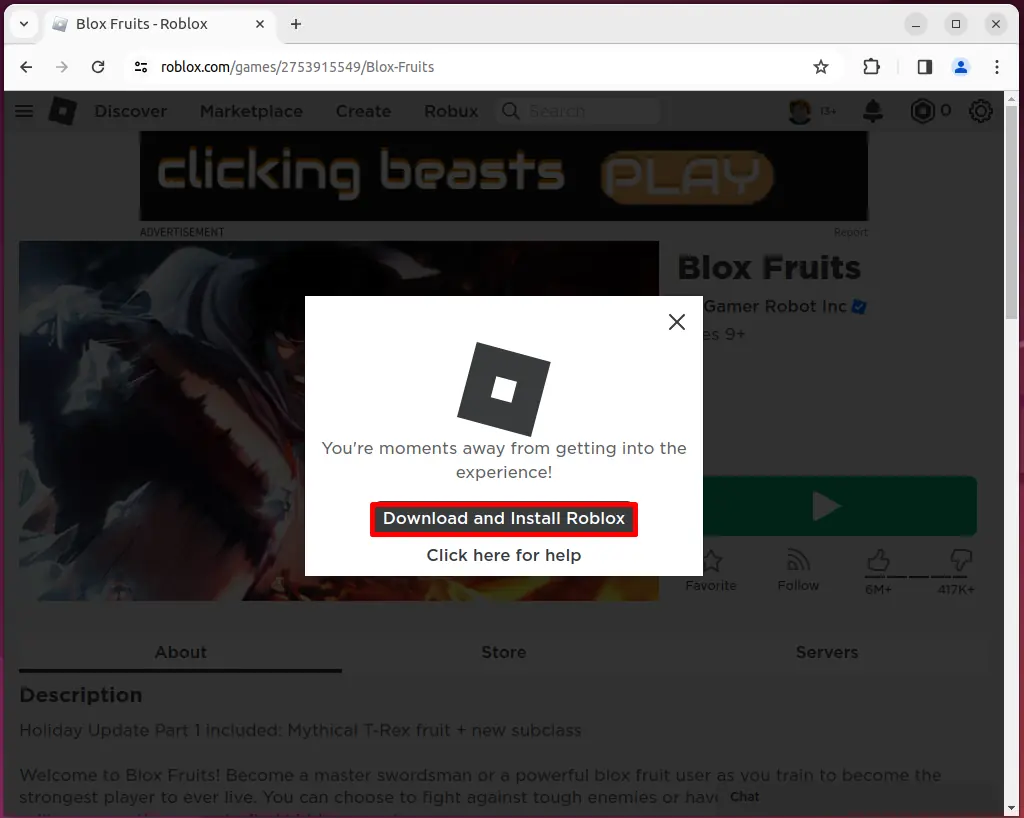
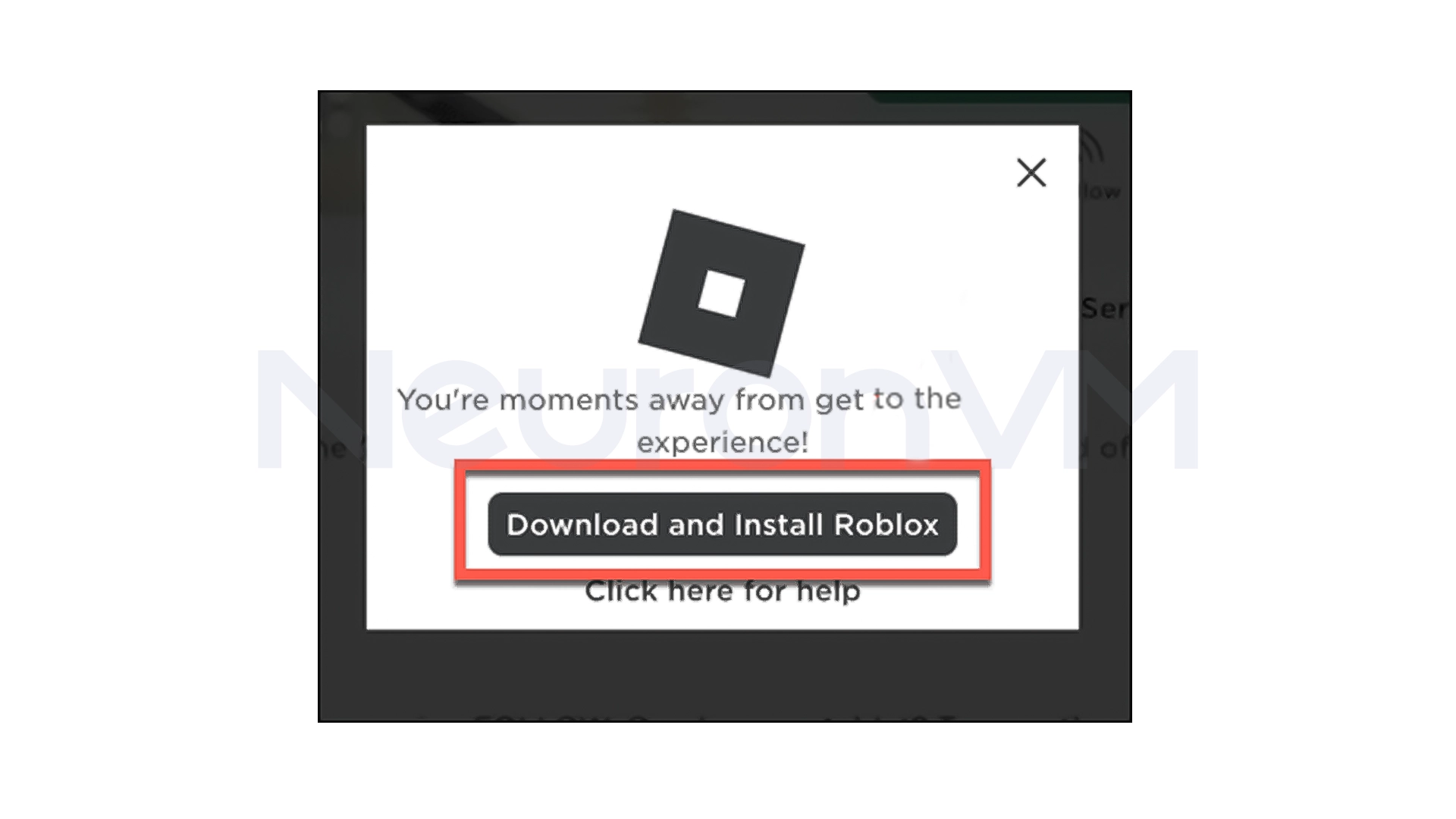
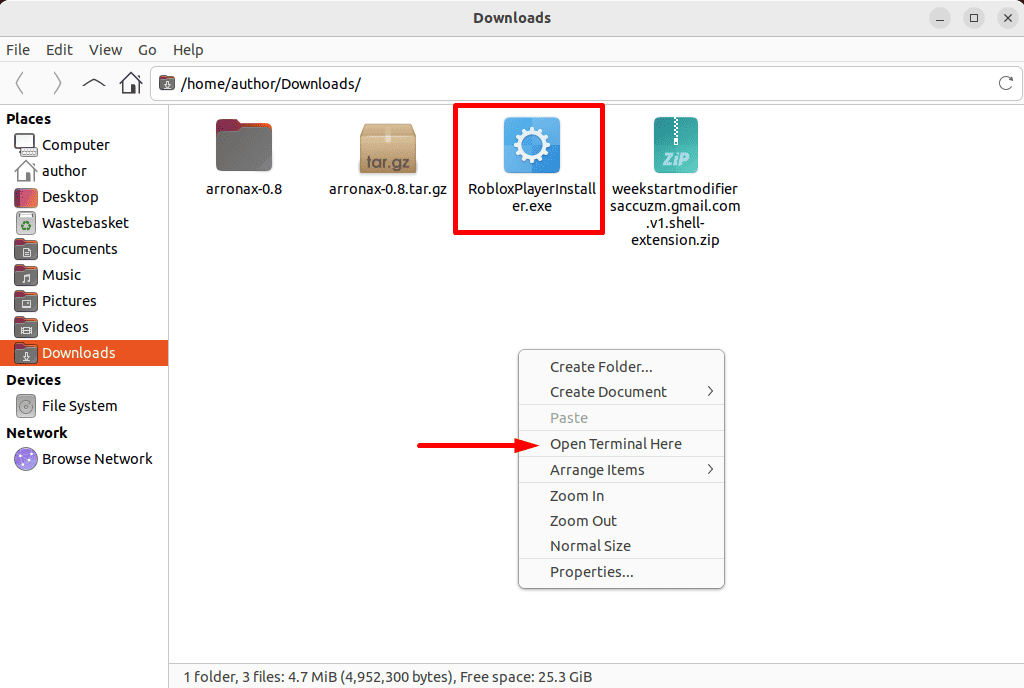
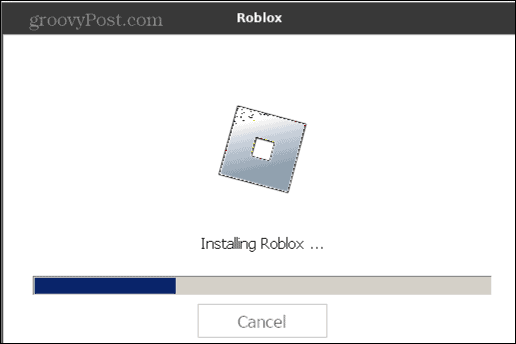
Next, download the Roblox Player installer for Windows. You can usually find this on the official Roblox website. Once downloaded, navigate to the directory where you saved it in your terminal. Then, you'll run it using your dedicated Wine prefix: WINEPREFIX=~/.wine-roblox wine RobloxPlayerInstaller.exe. Follow the on-screen prompts, just like you would on Windows. This process typically installs the Roblox player and studio components. Be patient, as it might take a few moments to complete the installation process.
After installation, you'll need to install some crucial dependencies using Winetricks. Winetricks is a helper script to download and install various redistributable runtime libraries that games often need. Open a terminal and run WINEPREFIX=~/.wine-roblox winetricks. In the Winetricks GUI, select "Select the default wineprefix" then "Install a Windows DLL or component." You'll likely need to install d3dx9, vcrun2015 (or newer like vcrun2019 or vcrun2022), and possibly dotnet48 or similar .NET framework versions. These components provide necessary graphical and runtime libraries that Roblox depends on.
Method 2: Using Grapejuice for Streamlined Installation
If the manual Wine setup sounds a bit daunting, Grapejuice is your new best friend. It's an open-source tool specifically designed to make running Roblox on Linux incredibly easy. Grapejuice automates many of the complex Wine configurations, making the experience much more user-friendly. It handles Wine prefix creation, dependency installation, and even helps keep Roblox updated.
To install Grapejuice, you'll typically add its official repository to your system. This ensures you get the latest version and easy updates. For Ubuntu/Debian, this usually involves adding a PPA: sudo add-apt-repository ppa:brinkervii/grapejuice and then sudo apt update. Afterwards, you can install it with sudo apt install grapejuice. For other distributions, check the official Grapejuice GitHub page for installation instructions.
Once Grapejuice is installed, launch it from your applications menu. The first time you run it, Grapejuice will guide you through the initial setup, which includes downloading and configuring a suitable Wine version specifically for Roblox. It handles the Wine prefix creation automatically. You'll simply click through a few prompts, and Grapejuice will take care of the heavy lifting. This often includes installing necessary components like DXVK, which translates DirectX calls to Vulkan, improving graphical performance on Linux.
After the initial setup, you can launch Roblox directly from the Grapejuice interface. It often provides an option to install the Roblox Player or Studio. You can also integrate it with your browser. When you click a Roblox game link in your browser, Grapejuice can intercept it and launch the game through its configured Wine prefix. It's a fantastic solution for those who want a simple, set-and-forget experience.
Method 3: Lutris for Enhanced Gaming Management
Lutris is another powerful open-source gaming platform that manages all your games, including those running through Wine. It has a vast library of installation scripts for many Windows games, and luckily, there's an excellent script for Roblox. Lutris offers a more robust management solution, allowing you to easily switch Wine versions, apply specific settings, and even configure gamepads.
To install Lutris, you'll typically find it in your distribution's official repositories. For Ubuntu/Debian, it's sudo apt install lutris. For Fedora, it's sudo dnf install lutris. Once installed, launch Lutris from your applications menu.
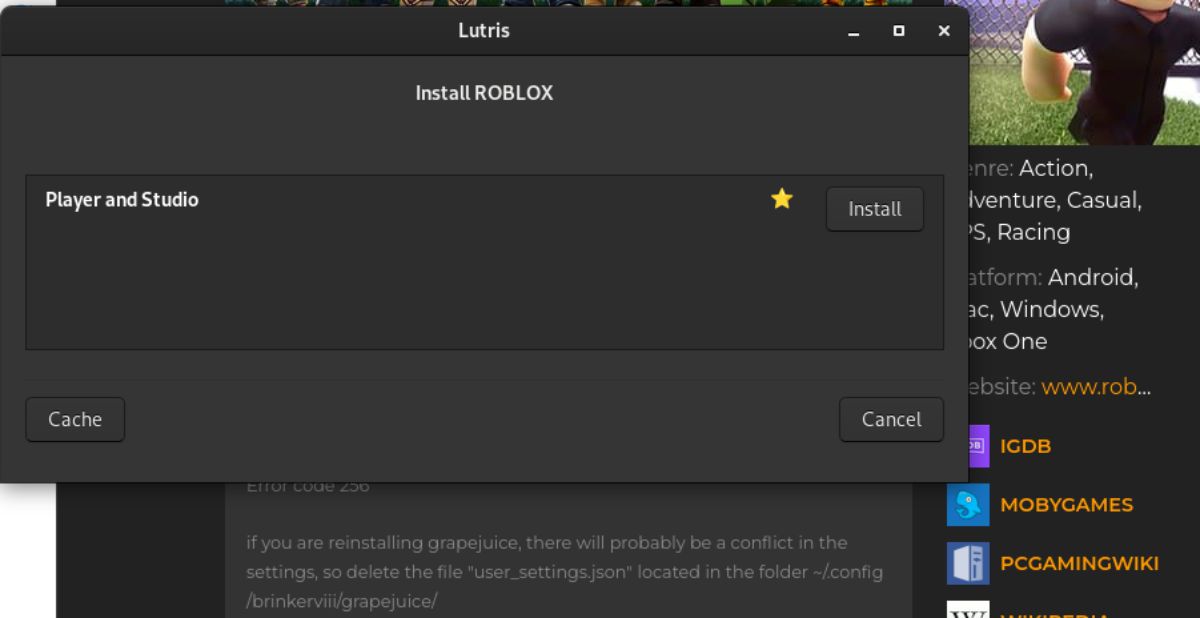
Inside Lutris, navigate to the Roblox game page on the Lutris website (search for "Roblox Lutris" in your browser). On that page, you'll find an "Install" button. Clicking this button will usually open Lutris on your system and present you with the Roblox installation script. This script automates the Wine prefix creation, Wine version selection, and the installation of Roblox itself, along with common dependencies like DXVK.
Follow the prompts within Lutris. It will likely download the Roblox installer and run it through Wine. Once installed, Roblox will appear in your Lutris library. From there, you can launch it with a single click. Lutris also makes it easy to configure individual game settings, troubleshoot issues, and update components if needed. It's a great choice for gamers who manage a variety of titles across different platforms and want a unified launchpad.
Troubleshooting Common Roblox on Linux Issues
Even with the best guides, sometimes things don't go perfectly. Running games through compatibility layers can introduce unique challenges. Here are some common issues you might encounter and how to tackle them, ensuring your Roblox experience is as smooth as possible.
Graphical Glitches and Performance Problems
Experiencing weird textures, flickering, or unusually low frame rates? This is often related to graphics drivers or Wine configuration. First, double-check that your proprietary graphics drivers (NVIDIA, AMD) are installed and up to date. Many users forget this crucial step, leading to subpar performance.
Next, ensure DXVK is enabled and working correctly. DXVK translates DirectX 9, 10, and 11 calls to Vulkan, which usually offers much better performance on Linux. If you're using Grapejuice or Lutris, they typically handle DXVK installation, but confirm it's active. For manual Wine setups, you can install DXVK using Winetricks. Also, try different Wine versions; sometimes a newer or older Wine staging version might perform better for Roblox.
Roblox Not Launching or Crashing
If Roblox refuses to launch or crashes shortly after starting, it often points to missing dependencies or an incorrect Wine configuration. Revisit the Winetricks step (for manual Wine) or check the Grapejuice/Lutris settings. Ensure you have installed vcrun2015 (or newer), d3dx9, and any required .NET frameworks like dotnet48. Sometimes, simply restarting your system after installing dependencies can resolve issues.
Another common cause is a corrupted Wine prefix. If you've tried everything else, consider deleting your existing Roblox Wine prefix (e.g., rm -rf ~/.wine-roblox) and starting the installation process from scratch. While inconvenient, it often resolves deep-seated configuration problems. Remember to back up any important data first, though for Roblox, it's usually just game files.
Input Issues (Keyboard/Mouse)
Occasionally, you might find your mouse or keyboard input behaving strangely within Roblox. This is less common but can occur. Ensure your desktop environment isn't interfering. Try running Roblox in a windowed mode rather than fullscreen, or experiment with different Wine virtual desktop settings. Sometimes, disabling desktop integration in Wine configuration (winecfg) can help, especially if you're experiencing mouse capture issues. Also, ensure your system's input libraries are up to date.
Roblox Updates Breaking the Game
Roblox updates frequently, and sometimes these updates can temporarily break compatibility with Wine. This is usually not your fault, but a consequence of the constant changes Roblox makes. When this happens, the best course of action is patience. Check community forums like r/robloxonlinux or Lutris's Roblox game page. Often, others will have encountered the same issue and found a workaround, or the Grapejuice/Lutris maintainers will quickly release an update to fix compatibility. Keeping your Grapejuice or Lutris installation up to date is crucial to quickly receive these fixes.
Advanced Tips for Optimizing Your Roblox on Linux Experience
So, you've got Roblox running, and that's awesome! But why stop there when you can make it even better? Advanced optimization can squeeze out more performance and enhance your overall gaming experience. We're talking about fine-tuning things to get the most out of your Linux setup.
Using Fsync/Fasync/Esync for Performance
These synchronization primitives (Fsync, Fasync, Esync) are crucial for improving performance in Wine-based games. They help reduce CPU overhead by allowing Wine to handle synchronization more efficiently, leading to smoother gameplay and higher frame rates. Most modern Wine versions, especially staging and GE (GloriousEggroll) builds, support these. Lutris and Grapejuice often enable them by default or offer options to toggle them. If you're doing a manual Wine setup, you might need to set specific environment variables like WINEESYNC=1 or WINEFSYNC=1 before launching Roblox. Always check the Wine documentation for the specific version you're using to confirm compatibility and usage.
Custom Wine Versions (Wine-GE)
While standard Wine works, custom Wine builds like Wine-GE (GloriousEggroll) often come with additional patches and optimizations specifically tailored for gaming. These builds frequently include up-to-date DXVK, VKD3D-Proton (for DirectX 12 support, though Roblox uses DirectX 9/11), and other performance-enhancing features that might not be in the mainline Wine releases yet. You can often download Wine-GE builds from GitHub. For Lutris, you can easily add and select custom Wine versions in its settings. Grapejuice also allows you to specify a custom Wine binary if you prefer. Experimenting with these can sometimes unlock significant performance gains or fix specific issues.
Monitoring Performance and Resources
Keeping an eye on your system's performance is key to knowing what's working and what isn't. Tools like htop (for CPU and RAM usage), nvtop (for NVIDIA GPU monitoring), or radeontop (for AMD GPUs) can give you real-time insights. If you notice your CPU or GPU is consistently maxed out, it might indicate a bottleneck. You can also use in-game FPS counters if Roblox has one, or third-party overlays provided by your graphics driver. Monitoring allows you to see the impact of any tweaks you make, helping you fine-tune your settings for the best possible experience.
Exploring Roblox Studio on Linux
Did you know you can also run Roblox Studio on Linux? The process is very similar to getting the player running. Whether through Wine, Grapejuice, or Lutris, you'll typically install the Studio component alongside or after the player. Running Studio on Linux opens up a whole new world for creators, allowing you to develop games and experiences directly from your Linux machine. Keep in mind that Studio might have its own set of dependencies or specific Wine configurations that work best, so consult community resources if you encounter any issues. It's a powerful tool, and having it accessible on Linux further enhances the platform's versatility for gamers and developers alike.
The Future of Roblox on Linux
It's always exciting to think about what's next, especially in the rapidly evolving world of Linux gaming. While Roblox doesn't officially support Linux yet, the landscape is changing, and there's reason to be optimistic about future possibilities.
Will Roblox Officially Support Linux?
This is the million-dollar question, isn't it? As of now, Roblox Corporation hasn't announced any official plans for native Linux support. However, the rise of the Steam Deck, which runs on a Linux-based operating system (SteamOS), has shown game developers that there's a significant and growing market for Linux gaming. While Roblox isn't directly playable on Steam Deck yet through official means, the success of other games with Proton could potentially sway Roblox's decision in the long run. User demand and the increasing ease of porting games thanks to tools like Proton and Vulkan could eventually lead to official consideration. It's a waiting game, but the community is definitely making its voice heard.
The Role of Community Projects (Grapejuice, Lutris)
Community projects like Grapejuice and Lutris are absolutely vital to the Linux gaming ecosystem. They fill the gaps where official support is lacking, leveraging tools like Wine and Proton to make non-native games playable. These projects are driven by passionate developers and users who contribute their time and expertise. Their ongoing efforts ensure that as Roblox updates, new workarounds and optimizations are quickly developed and implemented. Without these dedicated communities, playing Roblox on Linux would be significantly more difficult, if not impossible. Supporting these projects, whether through bug reports, contributions, or simply spreading the word, helps ensure their continued success and development.
Looking Ahead: Better Compatibility and Performance
The general trend in Linux gaming is overwhelmingly positive. Each year brings better driver support, more sophisticated compatibility layers, and wider adoption of Linux by gamers. Technologies like Vulkan continue to mature, offering a high-performance, cross-platform graphics API that reduces the overhead of running games. As these technologies advance, and as Wine and Proton become even more refined, the experience of playing Windows-only games like Roblox on Linux will only get smoother and more performant. We can expect fewer bugs, easier installations, and closer-to-native performance in the years to come. So, keep experimenting, stay updated, and enjoy your Roblox adventures on Linux!
Beginner / Core Concepts
1. Q: What is the easiest way for a beginner to get Roblox working on Linux?
A: For beginners, the absolute easiest path to getting Roblox on Linux is definitely through Grapejuice. I get why setting up complex software can feel like a mountain, but Grapejuice simplifies almost everything. It takes care of all the tricky Wine configurations and dependencies for you, practically automating the entire process. You just install Grapejuice, let it set up its Wine environment, and then it's ready to launch Roblox. It’s like having a friendly guide doing all the heavy lifting, letting you jump straight into playing your favorite games without getting bogged down in technical details. You’ve got this!
2. Q: Why can't I just download Roblox directly from their website onto my Linux machine?
A: This one used to trip me up too! The main reason you can’t just grab the installer is because Roblox doesn't officially develop a version of their game client for Linux. Their installer is designed specifically for Windows or macOS. Linux uses a different set of underlying system calls and libraries, so a Windows executable simply doesn’t know how to run directly on it. That’s why we rely on compatibility layers like Wine, Grapejuice, or Lutris. These tools act as interpreters, translating the Windows instructions into something your Linux system can understand. It's a clever workaround, and it's how the Linux community keeps on gaming!
3. Q: Is playing Roblox on Linux legal or will it get my account banned?
A: That's a super valid concern, and I'm glad you asked! Generally, running Roblox through compatibility layers like Wine or Grapejuice is considered fine and won't get you banned. You're not modifying the game files or cheating in any way; you're just using a different operating system to launch the official client. Thousands of users play Roblox on Linux this way without issue. The key is to use legitimate installers and tools, and avoid anything that promises cheats or exploits. As long as you're playing fairly, you should be absolutely safe. Enjoy your game!
4. Q: What is Wine and why do I need it for Roblox on Linux?
A: Wine, which cleverly stands for “Wine Is Not an Emulator,” is basically a compatibility layer that lets you run Windows applications on Linux. Think of it as a translator. Roblox is built for Windows, so its code speaks Windows-specific instructions. Wine steps in and translates those Windows instructions into commands your Linux system understands. It doesn't emulate an entire Windows operating system, which is why it's faster and more efficient. So, you need Wine because it's the bridge that allows the Roblox game to communicate with your Linux machine. Without it, Roblox just wouldn't know what to do on your system. It's a crucial piece of the puzzle!
Intermediate / Practical & Production
1. Q: What's the difference between Grapejuice and Lutris for installing Roblox?
A: Great question, as they both serve a similar purpose but have different approaches! Grapejuice is specifically designed for Roblox. It's a highly focused tool that automates almost all the Wine configuration needed for Roblox, including installing specific dependencies and keeping things updated. It’s perfect if Roblox is your primary Windows game on Linux. Lutris, on the other hand, is a universal game manager. It can handle games from various platforms—Steam, Epic Games, GOG, and even Windows games via Wine—using community-provided scripts. So, while Lutris can install Roblox, it's more of a general-purpose solution. If you play a lot of different games, Lutris is great for organizing everything. If you just want Roblox, Grapejuice might feel more streamlined. Try both and see which one clicks for your workflow!
2. Q: My Roblox keeps crashing after an update. What should I do?
A: Ugh, that's incredibly frustrating, and I've been there! Roblox updates frequently, and sometimes these updates can temporarily break compatibility with Wine or the tools we use. First, don't panic. This usually isn't an issue with your setup but rather a temporary glitch. Your best bet is to check community forums like r/robloxonlinux on Reddit or the Lutris/Grapejuice GitHub pages. Often, other users will have already reported the issue and found a workaround, or the developers of Grapejuice/Lutris will be working on an update to fix it. Make sure your Grapejuice or Lutris installation is up-to-date, as they often push quick fixes for these kinds of problems. A little patience and community checking usually resolve it. You’ll be back in game soon!
3. Q: How can I optimize Roblox's performance on my Linux system?
A: Getting the best performance often involves a few key tweaks. First, ensure your graphics drivers are absolutely up-to-date and you're using the proprietary ones (NVIDIA, AMD) if available. They offer significantly better performance for gaming. Next, ensure DXVK is active. This translates DirectX calls to Vulkan, which is usually faster on Linux. Grapejuice and Lutris typically handle this, but double-check. Also, consider using a custom Wine build like Wine-GE (GloriousEggroll); these often include performance patches not yet in standard Wine. For manual Wine setups, enabling Esync or Fsync can greatly reduce CPU overhead. Finally, close unnecessary background applications to free up system resources. Small adjustments can make a big difference in framerates. Keep tinkering!
4. Q: I'm having issues with my mouse or keyboard input in Roblox. Any fixes?
A: Input weirdness can definitely mess with your gameplay, and it’s a tricky one sometimes! First, try running Roblox in windowed mode instead of fullscreen; sometimes desktop environments have trouble capturing input correctly in fullscreen Windows apps via Wine. You might also want to check your Wine configuration (winecfg) for the specific Roblox prefix. Under the Graphics tab, try enabling or disabling the "Emulate a virtual desktop" option, or adjusting the "Allow the window manager to decorate the windows" setting. Occasionally, a clean restart of your system after a major update can clear up these kinds of issues. If you're using a gaming mouse, ensure any specific Linux drivers or configuration utilities for it are updated. It’s all about finding that sweet spot for your specific setup. Don't give up!
5. Q: Can I install Roblox Studio on Linux using these methods too?
A: Absolutely, you can! This is fantastic news for all you aspiring Roblox developers out there. The methods for installing Roblox Studio are very similar to those for the Roblox Player. If you’re using Grapejuice, it often provides an option to install Studio alongside the player, or as a separate launchable application within its interface. For Lutris, there are usually specific installation scripts available for Roblox Studio on the Lutris website, which will handle the Wine setup for you. Even with a manual Wine installation, you can download the Roblox Studio installer and run it within your dedicated Wine prefix, just like you would the player. Having Studio on Linux truly opens up creative possibilities for content creators. You've got the power to build your own worlds right from your Linux desktop!
6. Q: What should I do if a specific game within Roblox isn't loading or looks broken?
A: That's a bummer when your favorite game won't cooperate! First, rule out if it's a general Roblox issue or specific to that game. Try launching a different popular game within Roblox (like Adopt Me! or Bloxburg) to see if the problem persists. If it's only that one game, it might be an issue with the game itself, or perhaps it uses specific features that have poorer Wine compatibility. If it's a general issue, revisit your graphics drivers and Wine configuration. Sometimes a particular Wine version might struggle with certain shaders or rendering techniques used by a specific Roblox experience. Check the `WINEPREFIX` logs for errors, and again, community forums are goldmines for these specific problems. Someone else has likely faced it and found a fix. Keep experimenting; sometimes a small change makes all the difference.
Advanced / Research & Frontier
1. Q: How do Fsync, Esync, and Fasync impact Roblox performance, and how do I enable them?
A: These sync methods are game-changers for performance in Wine-based games, including Roblox! They essentially optimize how Wine handles synchronization between different parts of the program, which can often be a CPU bottleneck. Fsync, Esync, and Fasync reduce this overhead, leading to smoother gameplay and higher framerates, especially on multi-core CPUs. To enable them, if you're using a modern Lutris or Grapejuice setup with a recent Wine-GE build, they're often on by default or easily toggled in the settings. For manual Wine setups, you typically enable them by setting environment variables before launching Roblox, like `WINEESYNC=1` or `WINEFSYNC=1`. Just be aware that Fasync might require a custom kernel patch, while Fsync and Esync are more commonly available. Always confirm which ones your specific Wine version supports for the best results. It’s a powerful optimization technique you'll want to leverage!
2. Q: What are custom Wine builds like Wine-GE, and are they better for Roblox?
A: Custom Wine builds, like the popular Wine-GE (GloriousEggroll), are enhanced versions of Wine that often come packed with additional patches, bug fixes, and performance optimizations specifically for gaming. Think of them as souped-up versions of Wine. They frequently include up-to-date versions of DXVK, VKD3D-Proton, and other crucial components that improve game compatibility and performance. For Roblox, a Wine-GE build might offer better stability, resolve specific graphical glitches, or simply provide higher framerates compared to the standard Wine version from your distro's repositories. They are generally considered superior for gaming. You can usually find Wine-GE releases on GitHub and easily integrate them into Lutris or set them up with Grapejuice to give your Roblox experience a significant boost. It's definitely worth exploring if you're serious about performance.
3. Q: How do I debug specific issues if Roblox isn't running as expected on Linux?
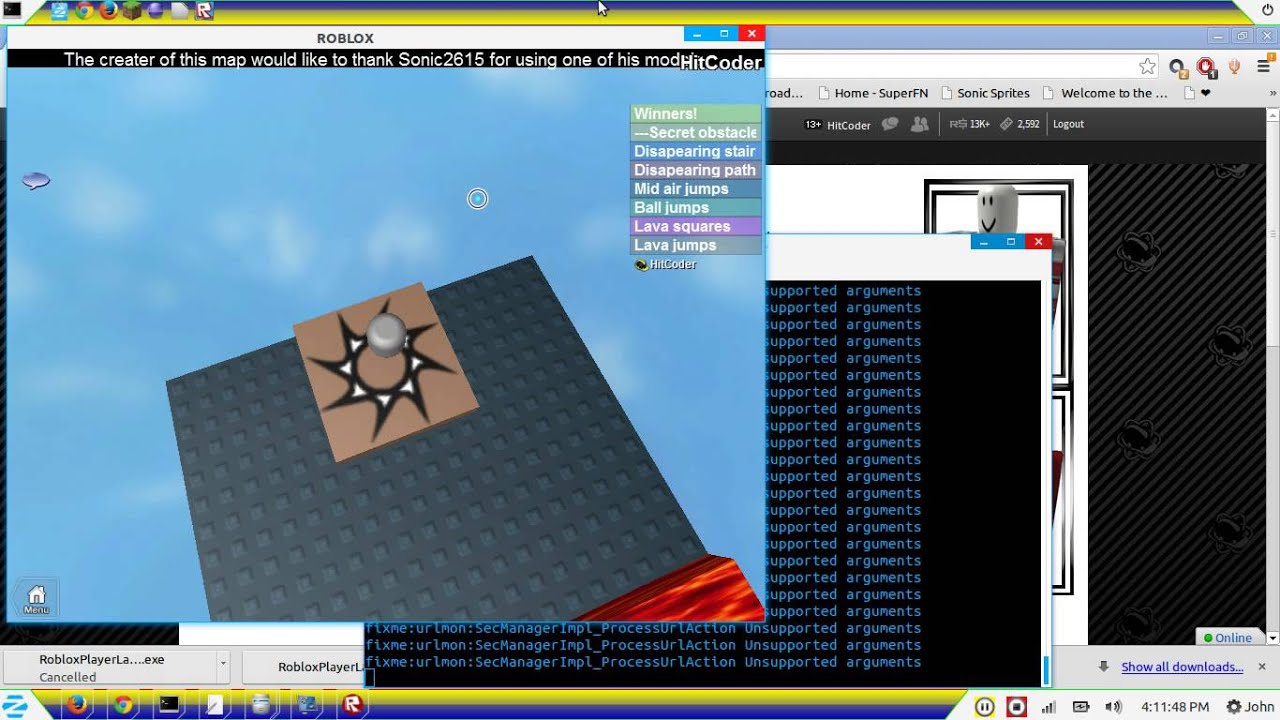
A: Debugging can feel like detective work, but it’s how we solve the tough problems! When Roblox isn't playing nice, the first place to look is the terminal output. If you launch Roblox from the command line (e.g., `WINEPREFIX=~/.wine-roblox wine path/to/RobloxPlayerBeta.exe`), Wine will often print useful error messages. Look for terms like "err:" or "fixme:" that might point to missing DLLs or unimplemented functions. Another powerful tool is `winetricks --debug`. This can provide more verbose logging. You can also temporarily disable components like DXVK to see if they are the cause. For graphics issues, enabling Wine's D3D backend (`winetricks d3dcompiler_43`) might give more relevant errors. Sometimes, the solution is to search for the specific error message online; chances are, another Linux gamer has encountered it and found a fix. It's a journey, but you'll learn a ton along the way!
4. Q: What's the latest on Roblox and anti-cheat compatibility with Wine/Proton?
A: Ah, anti-cheat – the perennial headache for Linux gamers! Roblox uses its own anti-cheat system, which, historically, hasn't been designed with Wine compatibility in mind. This is often the biggest hurdle for getting native Windows games to run smoothly on Linux. While standard Roblox play usually works, some specific experiences or changes in Roblox's anti-cheat updates can sometimes cause issues or even prevent the game from launching. Valve's Proton has made significant strides in working with various anti-cheat solutions, but it's an ongoing battle. The good news is that the community (especially Grapejuice and Lutris developers) is constantly working to ensure compatibility. If you run into anti-cheat related crashes, it’s crucial to check those community channels for the latest information and workarounds, as these issues are often dynamic and require frequent updates from the compatibility layer side. It's a bit of a cat-and-mouse game, but the community is relentless!
5. Q: Are there any specific Linux distributions that are better suited for playing Roblox?
A: While Roblox can technically run on most modern Linux distributions, some definitely offer a smoother experience, especially for gaming. Distributions like Pop!_OS, Linux Mint, or Ubuntu are often recommended for beginners because they tend to have excellent hardware support out of the box, well-maintained repositories for gaming tools like Wine and Lutris, and large, active communities for support. Arch Linux or Fedora can also be great, offering more up-to-date packages, but they might require a bit more manual setup for certain things. Ultimately, a distribution with a strong focus on ease of use, up-to-date kernel, and readily available graphics drivers will give you the best foundation. It's less about the distro itself and more about how easily you can get the necessary gaming components installed and working. Choose what feels right for you!
Quick Human-Friendly Cheat-Sheet for This Topic
- If you're new to Linux gaming, start with **Grapejuice** for Roblox. It's the simplest setup!
- Always ensure your **graphics drivers are updated** to the latest proprietary versions for best performance.
- If things break after a Roblox update, **check community forums** (like r/robloxonlinux) for quick fixes or updated Grapejuice/Lutris versions.
- Consider using **Wine-GE** custom builds in Lutris or Grapejuice for improved gaming performance.
- Enable **Fsync or Esync** (if supported by your Wine version) to boost framerates by reducing CPU overhead.
- If troubleshooting, don't be afraid to **delete and recreate your Wine prefix** as a fresh start often solves stubborn issues.
- Remember, **Roblox doesn't officially support Linux**, so we're relying on awesome community tools and compatibility layers!
Unlock Roblox on Linux with Wine, Grapejuice, or Lutris. Overcome installation challenges, optimize performance, and explore community solutions. Discover why official support is absent and how workarounds bridge the gap. Master troubleshooting and get ready to play your favorite Roblox games on your Linux machine.
35


How To Play Roblox On LINUX Read Pinned YouTube . 7 Easy Steps To Install Roblox On Linux Using Wine How To Install Roblox On Linux. How To Install Roblox On Linux 2026 YouTube . How To Install Roblox On Linux In 1 Minute 2024 YouTube . How To Play Roblox On Linux Using Wine Addictive Tips Guide Rob Installer Welcom



How To Play Roblox On Linux WORKING 2025 Install Roblox On Linux Hqdefault . How To Install Roblox On Linux After Byfron 2024 1000fps YouTube . Como Instalar Roblox En Linux R Pido Y F Cil Actualizado 2026 Roblox Linux 2026 . Roblox For Linux Guide Running Without Wine Downloading Roblox In Linux . How To Install Roblox On Linux Install Roblox Linux Download


How To Install Roblox Game On Ubuntu 20 04 LTS Linux Roblox Editor Screen On Ubuntu 20.04 Linux . How To Install And Play Roblox On Linux Fosslicious Screenshot 20250524 183952 . 7 Easy Steps To Install Roblox On Linux Using Wine Installing Roblox.webp. How To Play Roblox On Linux 2023 Step By Step Guide How To Play Roblox On Linux 768x432 . How To Install Roblox On Linux A Step By Step Guide Position Is V2 J72fl Zms55

How To Install Roblox Game On Ubuntu 20 04 LTS Linux Theme And Templates To Start Creating Game In Roblox . 7 Easy Steps To Install Roblox On Linux Using Wine Download And. Roblox For Linux Guide Running Without Wine Opening Terminal From The Download Directory In Linux . How To Install Roblox On Linux Install Roblox Linux Roblox . How To Install Roblox On Linux Install Roblox Linux Installing


How To Set Up Roblox On Linux YouTube . How To Download Chrome On Linux Robots Net How To Download Roblox On Chromeos 1695972604 . How To Download Roblox On PC Laptop Install Roblox On Windows . How To Install Roblox On Linux Install Roblox Linux 300x180 . The Ultimate Guide On How To Run Roblox On Linux Studio Player


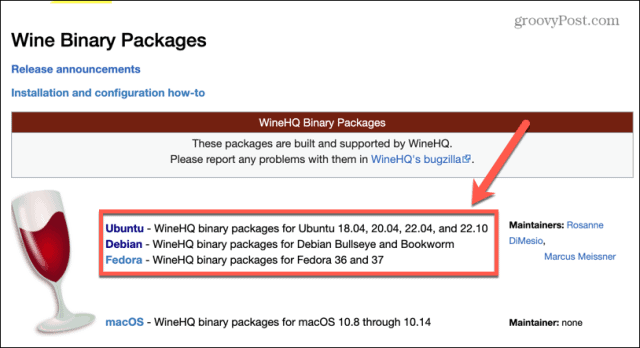


How To Install Roblox On Linux Install Roblox Linux Open With . How To Install Roblox On Linux Install Roblox Linux Game 768x357 . How To Install Roblox On Linux Install Roblox Linux Version 640x348 . How To Install Roblox On Linux Install Roblox Linux Sign Up . 7 Easy Steps To Install Roblox On Linux Using Wine How To Install Spigot On Ubuntu 24 04

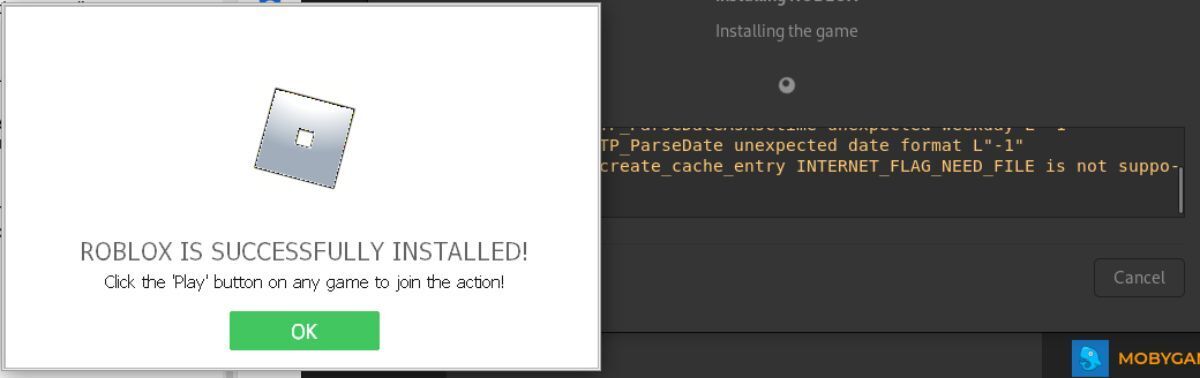


Roblox Linux How To Install Roblox On Linux 800x450. How To Download Roblox . How To Play Roblox On Linux Using Wine Addictive Tips Guide Rob Installed 1 . How To Install Roblox Game On Ubuntu 20 04 LTS Linux Vmware A9roph0j6U Min 1024x542 . Roblox For Linux Guide Running Without Wine Installing Roblox On Linux Using Grapejuice 700x425